


Rod Control System
Rod Control Systems for Industrial Cabinet Doors
We supply mechanical rod control systems for industrial cabinets, electrical control panels, machinery enclosures and equipment doors. These locking arrangements use a central operating mechanism with connected rods or locking components to engage multiple points on a compatible door frame.
Our product range includes three-point cabinet locks, rod-control handles and keyed or padlockable configurations. We help equipment manufacturers and hardware distributors compare locking arrangements, operating direction, mounting dimensions and replacement requirements.


Rod Control System Models and Locking Configurations
Our rod control system category includes central cabinet locks, three-point locking mechanisms, rod-control handles and related door hardware. Different products use different operating methods, so model selection should begin with the door construction and required locking arrangement.
| Product / Model | Construction or Operation | Listed Features | Selection Focus |
|---|---|---|---|
| 60082-02 Rod Control System Padlock | Zinc alloy three-point cabinet lock | Padlockable locking version; black powder-coated or gray chrome-plated finish | Padlock access, cabinet mounting and linkage arrangement |
| 60032 Central Lock 3 Point System | Zinc alloy die-cast central locking mechanism | Black-painted finish; 90° CW or CCW rotation; four-disc tumbler; two single-bitted keys; cam lever and locking bar | Key operation, rod connection and operating direction |
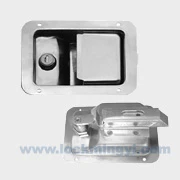
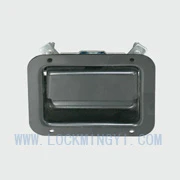
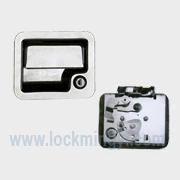
| 60082 Metal Cabinet Handle Lock | Cabinet handle locking hardware | Zinc alloy; matte black; listed for electrical panels and machinery covers | Handle geometry, mounting dimensions and compatible rod mechanism |
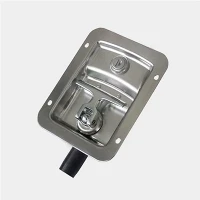
| Cabinet Cam Handle Control Rod Lock | Handle-operated rod control lock | Cabinet cam-handle and control-rod arrangement | Handle interface, cam engagement and rod compatibility |
| Roller Shutter Door Lock | Roller shutter door locking hardware | Different lock-cover options; customer logo option listed | Shutter construction, locking position and installation geometry |
How a Mechanical Rod Control System Works
A mechanical rod control system connects a central lock or operating handle to additional locking points through rods, bars or related linkage components. Instead of relying on a single engagement position, the mechanism coordinates locking movement across the door.
Operate the Lock or Handle
A key, swing handle or other designated actuator initiates the locking movement. The operating method depends on the selected product.
Drive the Rod Linkage
The central mechanism transfers motion to compatible locking rods or bars. Their movement and connection geometry depend on the system design.
Engage the Frame
The connected locking elements engage their mating points on the cabinet frame, helping retain the door at the intended positions.
Open the Cabinet Door
Reversing the operating action releases the connected locking points when the mechanism is correctly aligned and installed.
Need a Compatible Cabinet Rod Locking System?
Send us your cabinet door dimensions, locking-point arrangement and existing hardware drawings. We can help review suitable rod-control configurations for your project.
Get a Rod Control System QuoteThree-Point Locking vs. Single-Point Cabinet Locks
The main distinction is the number and location of engagement points. A single-point cabinet lock retains the door at one primary position, while a three-point arrangement coordinates additional engagement locations through a central mechanism.
Single-Point Locking
A single cam or latch engages the cabinet frame. This can be appropriate for smaller panels where one retaining point meets the equipment design requirements.
Three-Point Rod Locking
A central mechanism operates additional locking positions, commonly arranged along a taller cabinet door. Correct rod length, frame alignment and locking-point placement are essential.
Multi-point engagement does not automatically establish a particular load rating, security certification or environmental protection level. These properties must be assessed for the complete door and lock assembly.
Key Components of a Cabinet Rod Control System
Contains the operating mechanism that drives the connected locking components. Confirm the housing dimensions and mounting method.
Provides the user interface for opening and closing. Keyed and padlockable versions have different access-control requirements.
Transfer mechanical movement from the central lock toward additional locking locations. Length and connection type must suit the door.
Connects rotational movement to the rod-control mechanism where applicable. Check the lever geometry and required travel.
Help position compatible rods along the door. Adequate clearance and alignment are necessary to reduce binding.
Provide the mating surfaces for the locking components. Their positions must match the rod travel and door closure geometry.
Important Measurements Before Ordering
Rod control hardware must be selected as part of the complete door assembly. A lock that appears visually similar may use a different cutout, rod connection or operating travel.
Determine the overall door dimensions and the required positions of the locking points.
Check the opening dimensions, fixing holes and available mounting surface for the central lock.
Confirm compatibility with the lock body, fixing arrangement and any recessed handle components.
Measure the distance between the central actuator and each locking position. Confirm the motion required for full engagement.
Allow space for rod movement, keepers, hinges, seals and internal cabinet components.
Verify clockwise or counterclockwise operation and compatibility with the intended door handing.
Choosing the Right Rod Control Lock
The correct configuration depends on how the cabinet is used, how often it is opened and the access-control requirements of the installation.
Key-Operated Central Locks
Model 60032 lists a four-disc tumbler mechanism, two single-bitted keys and 90-degree rotation in either specified direction. Check its linkage requirements before replacement or OEM installation.
Padlockable Rod Control Locks
Model 60082-02 is listed as a padlockable three-point locking version. It may suit projects where the cabinet access arrangement requires a separate padlock.
Handle-Operated Rod Locks
Cabinet handle and cam-handle rod locks provide alternative operating interfaces. Verify the handle movement, mounting pattern and rod connection before selection.
Application-Specific Door Locks
Roller shutter door hardware requires separate consideration of the shutter profile, lock cover, engagement points and opening movement.
Materials, Finishes and Operating Conditions
Selected Mingyi rod-control models use zinc alloy construction with black-painted, black powder-coated or gray chrome-plated finishes. The exact material and finish depend on the product.
For outdoor installations, humid environments or cabinets requiring gasket compression, confirm the necessary protection and performance requirements separately. A mechanical three-point locking arrangement does not by itself guarantee waterproofing, corrosion resistance or controlled compression.
Applications for Rod Control Systems
Electrical Control Cabinets
Mechanical multi-point locking arrangements for compatible control panels, distribution cabinets and electrical enclosures.
Industrial Machinery Doors
Rod-operated locks for machinery covers and service doors where the equipment design calls for coordinated engagement.
Metal Equipment Cabinets
Central locking hardware for fabricated metal doors, utility enclosures and cabinet assemblies requiring multiple locking positions.
Replacing an Existing Rod Control System
Replacement projects require more than matching the front handle. The original rod movement, fixing points and frame engagement positions should also be checked.
Record the model number and photograph the front, rear and rod connections.
Provide the panel cutout, fixing-hole positions and available installation depth.
Confirm the connection style, rod dimensions and direction of movement.
Measure the positions of the upper, lower and central engagement points where applicable.
Specify whether keyed, padlockable or handle-operated access is required.
Verify smooth operation, full engagement and release on the actual cabinet assembly.
OEM Rod Control System Supply
We support industrial cabinet manufacturers, electrical enclosure fabricators, machinery builders and hardware distributors with rod-control locking solutions.
For a new cabinet design or replacement project, provide the technical information needed to review a compatible lock and linkage arrangement.
- Central lock model or sample
- Cabinet door dimensions
- Mounting cutout and fixing pattern
- Rod lengths and connection details
- Locking-point positions
- Key, handle or padlock requirements
- Finish and operating environment
- Estimated purchasing quantity
Frequently Asked Questions
A mechanical cabinet rod control system connects a central operating lock or handle to additional locking points through rods or related linkage components. It is used on compatible industrial cabinet and equipment doors.
A central mechanism operates connected locking components at multiple positions. The rods transfer movement so the engagement points can be locked or released together, depending on the mechanism design.
Yes. Model 60082-02 is listed as a padlockable three-point rod control lock with zinc alloy construction and available black powder-coated or gray chrome-plated finishes.
Model 60032 lists 90-degree clockwise or counterclockwise rotation. Operating direction must be confirmed for each model and cabinet installation.
Provide the mounting cutout, panel thickness, fixing-hole positions, rod lengths, connection details, locking-point positions and operating direction. An existing sample or technical drawing is useful for matching.
A multi-point system provides engagement at additional locations, which may suit larger cabinet doors. A single-point cam lock can be suitable for smaller panels. The correct choice depends on the complete door design.
Water resistance depends on the specific lock, door construction, seals and tested enclosure assembly. Multi-point locking alone does not establish an IP rating or waterproof performance.
We support OEM cabinet manufacturers and hardware distributors with rod-control lock sourcing and configuration review. Share your technical drawings, mounting requirements, preferred operating method and estimated order quantity.