


Cabinet Hinge
Established in 1988, Mingyi is a manufacturer of a wide range of metal products. We focus on producing locks and fittings for, industrial equipment, vehicles, and furniture industries. Mingyi Builds the whole production line from R&D, Mould-making, die-casting, plastic injection, stamping, inspection, assembly, packing and so on.
Rich Product Variety
Our company can produce cam locks, mailbox locks, flap handle locks, toolbox locks, folding T-locks, cabinet locks, quarter turn locks, hasp locks, garage locks, combination locks, special locks, cabinet hinges, hardware, etc.
Wide Range of Product Uses
Our locks and hardware products are widely used in communication cabinets, power industry, machinery and tools, transportation vehicles, garage doors, office furniture, etc.
Advanced Production Equipment
Our company has a complete production line from R&D, mold making, die casting, injection molding, stamping, testing, assembly, packaging, etc. And we control every link and process, and the company fully implements the ISO9001 quality management system.
Leading Service
We have many years of industry experience and a complete production management, quality supervision and sales service operation system. Whether you want to buy a mailbox lock or a toolbox lock, just send your needs by email and we can customize the product for you.

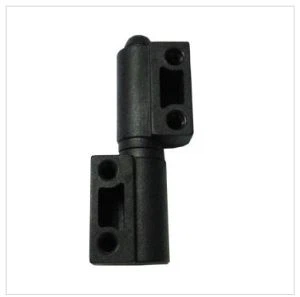
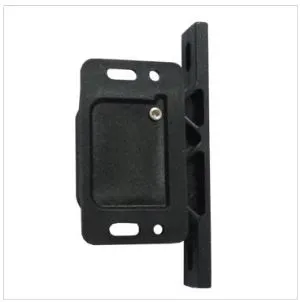


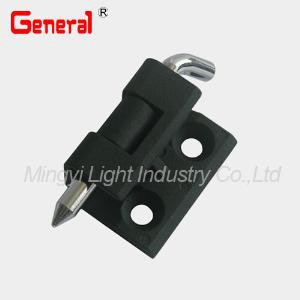


Cabinet hinges are used in every kitchen cupboard and everywhere around the house. There are many different kinds and varieties of cabinet hinges. Cabinet hinges also have different functions. Some help to close the doors in a certain way while others are made solely for decorative purposes.
Features of Cabinet Hinge

Improved Cabinet Longevity
Cabinet hinges crafted from robust materials, such as stainless steel or durable alloys, exhibit remarkable resistance to wear and tear. This resilience ensures that the constant opening and closing of cabinet doors, a routine occurrence in any household, do not lead to premature wear. As these hinges withstand the test of time, they contribute significantly to the overall longevity of the entire cabinet structure.

Enhanced Functionality
The benefits of cabinet hinges extend far beyond their role as mere connectors; they are integral to the enhanced functionality of cabinets within a home. The type and quality of hinges chosen can significantly impact how smoothly and efficiently cabinet doors operate, influencing accessibility and overall user experience.

Security and Safety
Cabinet hinges play an unexpected yet crucial role in ensuring the security and safety of your home. While these hardware components are typically associated with facilitating the smooth opening and closing of cabinet doors, their impact on home security and safety is often underestimated.
Types of Cabinet Hinge
Surface Mount Hinges
Surface mount hinges, as the name implies, mount to the outside of the cabinet frame and to the outside face of the cabinet door. This mounting style makes the entire hinge visible from the exterior of the cabinet, so surface mount hinges typically feature an attractive color or design that enhances the aesthetic appeal of the cabinet.
Semi-Concealed Hinges
Semi-concealed hinges are similarly made for use on face frame cabinets that have partial overlay or full overlay cabinet doors. This style of hinge is mostly concealed behind the cabinet door when the cabinet is closed, but a slight portion of the hinge is exposed on the side of the frame or door edge.
Inset Hinges
As the name indicates, inset hinges are designed for inset cabinet doors. The bend in the hinge allows the door to fully close without showing any part of the hinge. This type of hinge should be mounted to the inside of a frameless cabinet and to the back edge of the door so that the door will sit flush inside the cabinet box.
Partial Overlay Hinges
Partial overlay hinges mount to the inside of the cabinet and to the back of the cabinet door, leaving the barrel exposed when the door is closed. Due to the overlapping hinge wings, the cabinet door tends to sit out from the face of the cabinet, making it easier to open the doors without any door knob or door handle hardware.
Full Overlay Hinges
Full overlay hinges are frequently used in frameless cabinets with full overlay cabinet doors. The frame wing mounts to the inside of the cabinet and the door wing mounts to the back of the cabinet door, allowing it to close fully without exposing the frame.
Flush Hinges
Flush hinges are similar to butt hinges, except that they have a slimmer profile that reduces the gap between the cabinet door and cabinet box. These hinges are ideal when you have a cabinet or cabinet door that cannot be cut for a butt hinge mortise.
Wrap Around Hinges
Wrap around hinges have a unique design that wraps around the inside edge of the frame to provide better support for the cabinet door. This design spreads out the weight of the door and the pressure on the screws over a greater area to improve the strength of the hinges.
T-Style Hinges
T-style hinges are not as commonly used as they once were. This classic rustic aesthetic is a great addition to kitchen cabinets in a ranch-style home or a home with a naturally rustic appeal.
Butterfly Hinges
Butterfly hinges are designed specifically for the aesthetic style. As the name implies, the hinges are shaped like butterflies. The frame wing mounts to the exterior of the cabinet box and the door wing mounts to the front of the cabinet door, so the butterfly design is always on display.
How to Install Cabinet Hinge
Before you start installing hinges, you'll need to decide where you want them to be on both the cabinet frame and the cabinet door. Measure and mark the desired hinge placement. Ensure that the hinge placement is consistent on all doors for a uniform look.
If you have a hinge template or template jig, align it with the marked hinge placement on the cabinet frame. This template will help you ensure precise positioning. Secure the hinge to the cabinet frame using screws. Typically, hinges have pre-drilled holes that serve as guides for the screws. Use your drill and the appropriate drill bit size to create pilot holes for the screws.
Align the hinge with the markings on the cabinet door. Secure the hinge to the door using screws, following the hinge template or jig if you have one.
Carefully open and close each cabinet door to ensure they swing smoothly and align properly with the cabinet frame. If you encounter any issues with door alignment or movement, you may need to make adjustments.
If your cabinet doors are not aligning correctly or are sagging, you can use the adjustment screws on the hinge to fine-tune the door's position and alignment. This step is essential for ensuring that your cabinet doors close properly and have an even appearance.
Preparation
Before installing the hinge, make sure the cabinet door and frame are clean and free of any dust or debris. This will ensure a secure fit and prevent any interference with the hinge operation.
Marking
Position the cabinet door on the cabinet frame where you want it to hang. Use a pencil to mark the holes for the hinge screws on the cabinet frame. It’s important to check that the door opens and closes correctly at this stage.
Drilling Holes
Drill pilot holes into the marked spots on the cabinet frame. The size of the pilot holes should match the screws that will be used with the hinge. Be careful not to drill too deeply, as this could weaken the structural integrity of the frame.
Aligning the Hinge
Place the hinge onto the door so that the leaf (the part that attaches to the door) is facing the correct direction. Align the hinge with the edge of the door and use the holes pre-drilled in the hinge to mark the door for drilling.
Attaching the Hinge to the Door
Screw the hinge to the door. Start with the top or bottom screw to hold the hinge in place, then add the remaining screws. Ensure the screws are tight but not overly tight, which could strip the screw holes.
Positioning the Door
Hang the door onto the frame by lining up the hinge leaves with the previously drilled holes in the frame. If the hinge has adjustment screws, you can make minor adjustments to the door position at this point.
Final Adjustments
With the door in place, make any final adjustments to ensure the door is level, plumb, and aligned correctly with the frame. Most hinges have screws that allow for horizontal and vertical adjustments.