


Cylinder Lock
Established in 1988, Mingyi is a manufacturer of a wide range of metal products. We focus on producing locks and fittings for, industrial equipment, vehicles, and furniture industries. Mingyi Builds the whole production line from R&D, Mould-making, die-casting, plastic injection, stamping, inspection, assembly, packing and so on.
Rich Product Variety
Our company can produce cam locks, mailbox locks, flap handle locks, toolbox locks, folding T-locks, cabinet locks, quarter turn locks, hasp locks, garage locks, combination locks, special locks, cabinet hinges, hardware, etc.
Wide Range of Product Uses
Our locks and hardware products are widely used in communication cabinets, power industry, machinery and tools, transportation vehicles, garage doors, office furniture, etc.
Advanced Production Equipment
Our company has a complete production line from R&D, mold making, die casting, injection molding, stamping, testing, assembly, packaging, etc. And we control every link and process, and the company fully implements the ISO9001 quality management system.
Leading Service
We have many years of industry experience and a complete production management, quality supervision and sales service operation system. Whether you want to buy a mailbox lock or a toolbox lock, just send your needs by email and we can customize the product for you.
\

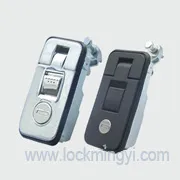


What is Cylinder Lock
A cylinder lock is a cylinder device that has one or more keys to open it. Cylinder locks are used on doors, sheds, garages, and even padlocks. Cylinder locks require not only the cylinder to be locked or unlocked, but also requires a separate key (or turning mechanism) for locking and unlocking.
Features of Cylinder Lock

Enhancing Security With Unique Design
Cylinder locks are well-known for their high level of security. This is thanks to their unique locking mechanism. These locks are designed intricately, which makes it harder for burglars to pick or bump them. A cylinder lock provides strong security for your establishment.

Customization Possibilities With Cylinder Locks
Cylinder locks can be customized and adapted easily. Cylinder locks come in different sizes and types to meet various security needs. Based on the requirement, you can opt for single, double, or thumbturn cylinder locks. You can change the cylinder of your lock to adjust its security level, while still using the same lock housing.

Liability Limitation and Key Control
Cylinder locks provide users with an added benefit of key control. It means these locks taper the scope of wrongful entry, as their keys can't be easily duplicated. Choosing patented and high-security cylinder locks reduces the risk of unauthorized access because these keys can only be copied with specific authorization.
Types of Cylinder Lock
Opt for the single-cylinder lock that you will be able to lock from just one side or the double-cylinder lock that you will be able to lock from both sides of the door. It is also possible to opt for the key and thumb turn alternative that will allow you to lock the door using a thumb turn on the interior and a key on the exterior.
These locks resemble the previous model, but they differ in terms of shape, as they feature oval barrels and they are combined with oval cases for mortice locks. You will find a smaller number of available options and the thumb turn locking mechanism is only sold featuring the oval design.
These models are bulky and round in shape and they feature a threaded housing used to fasten it in place inside the door, making it less vulnerable in front of snapping attacks. It does not fit any door size and type of lockset and it also costs more.
These models can be used together with a number of locking mechanisms such as levers, knobs, and deadlocks. These cylinders should be fitted together with door handles made from metal in other to help them withstand break-in attempts.
These models feature removable cores that can be easily replaced and they are found in the housing of the lock. Changing these locks is fast and simple, as long as the right control key still exists and can be used. This type of cylinder lock is useful when security is jeopardized as a result of lost keys. Usually, they are sold in the 6 or 7-pin core variants, which means they are suitable for master key and locksets.

Shell
This is the fixed body of the cylinder.
Plug
located in the shell, the plug is the moving part of the cylinder into which the key is inserted to lock or unlock the door.
Pins and Drivers
They are arranged at different heights and are the main security component of the lock cylinder. When the right key is inserted in the cylinder, the pins and drivers line up, allowing the locking mechanism to move.
Springs
Springs are compression components located between the pins and drivers. They maintain constant pressure on the pins, pushing them down into the holes in the cylinder body. The springs contribute to the functionality and strength of the lock cylinder.
Plugs and Screws
The plugs cover the ends of the lock cylinder and can be removed to gain access to the pins and internal mechanism. Screws are used to secure the lock cylinder to the lock case and door.
How to Choose Cylinder Lock
Assess Your Security Needs
Consider the security level required for your location. High-crime areas may benefit from high-security cylinder locks. Determine if it’s a residential or commercial property. Commercial properties often require more robust security measures.
Check Security Features
Opt for a cylinder lock with anti-snap features to protect against lock snapping, a common break-in method. You can also look for locks with anti-pick and anti-bump features to enhance security even further.
Measure Properly
Ensure you measure your existing cylinder lock accurately to select the correct size for replacement.
Consider Keying Options
Keyed-alike or master-keyed? Decide whether you want multiple locks with the same key (keyed-alike) or a master-keyed system for different access levels.
How to Install Cylinder Lock
Changing an Interchangeable Lock Cylinder
Remove the Flat Screw Under the Latch
Prop open the door as you change the lock. Turn the screw under the door latch counterclockwise with a flathead screwdriver and remove it.
Turn the Key a Quarter of the Way
Insert the key into the keyhole and turn it slightly so that it's in the open position. This will hide the latch in the internal components of the lock and allow you to slide it out.
Pull On the Key While Pushing on the Other Side of the Lock
Keep the key turned while you push on the lock from the other side of the door. If done correctly, the interchangeable lock cylinder should come out.
Screw the Flat Screw Back In
Thread the screw into the hole with your fingers, then use a flathead screwdriver to tighten it. Continue turning it until it runs flush with the side of your door.
Test Your Key to Make Sure That it Unlocks Your Door
Keep the door open as you test it. If it doesn't work, try dissembling and reinstalling the lock cylinder or call a locksmith to see if they can replace it for you.
Replacing a Storefront Door Lock Cylinder
Unscrew and Remove the Faceplate Over the Latch
Use a doorstop to prop the door open while you’re working. Find the faceplate on the thin part of the door and use a Phillips head screwdriver to remove all the screws in it. Once the screws are out, pop the faceplate off the door.
Loosen the Set Screw Near the Lock Itself
The set screw will be the screw closest to the lock cylinder on the outside of the door. Use a Phillips head screwdriver to turn the set screw counterclockwise until you loosen it.
Insert a Key Into the Lock and Turn it Clockwise to Unscrew it
Use a different key than the one that unlocks the door so that you can use it as a wrench. Insert the mismatching key into the keyhole and turn it counterclockwise to loosen the cylinder. When the cylinder is loose enough, it should easily come out of the hole in the door.
Thread a New Lock Cylinder Into the Hole
Put the new lock cylinder into the hole with the keyhole facing outward. Start threading the new cylinder by turning it clockwise in the hole.
Insert a Mismatching Key Into the Lock and Turn it Clockwise
Again, use a key that isn’t made for the lock so that it catches and can be used as a wrench. Stop turning the cylinder when you feel resistance and the keyhole is on the bottom of the lock.
Re-Tighten the Set Screw
Turn the set screw clockwise to set the new lock cylinder in place. Once the set screw is tight, you should no longer be able to rotate the lock cylinder.
Screw the Faceplate Back on and Test the Lock
Fit the faceplate over the latch and line up the holes in the latch with the holes in the door. Use a screwdriver to secure the screws back in their holes. Use the correct key on the new lock to make sure that you installed it correctly and the door locks.
How to Maintain Cylinder Lock
Regular Cleaning
Use a soft brush or compressed air to remove dust and debris from the lock’s keyway. Clean the exterior of the lock with a damp cloth to remove dirt and grime.
Lubrication
Apply a silicone-based lubricant to the lock cylinder at least once a year to keep it functioning smoothly. Insert the key and turn it a few times to distribute the lubricant inside the lock.
Avoid Harsh Chemicals
Avoid using harsh cleaning chemicals near the lock, as they can damage the finish and internal components.
Key Inspection
Periodically inspect your keys for signs of wear and damage. Worn keys can affect the lock’s performance.